
5 Best Furniture Restoration Books for Beginners
Creative Homeowner Furniture Refinishing & Repair Book is the top pick for most buyers. Among the best furniture restoration books, it offers the strongest all-around mix of step-by-step repair advice and refinishing guidance. The book covers common problems, from scratched surfaces and loose joints to worn finishes, so readers can plan a project before buying supplies.
This guide suits homeowners, thrift-store renovators, and anyone learning to save an older chair, table, or cabinet. For this type of reference, the key factors are clear photos, useful project coverage, and instructions that explain which materials and tools each repair needs. Page count and format also matter if you want a compact book for a workshop shelf. The five picks below are ranked by practical value, with reasons and honest drawbacks for each, so you can match a title to your skill level and project list.
Quick Comparison
| # | Product | Best For | Price | |
|---|---|---|---|---|
| 1 | Creative Homeowner Furniture Refinishing & Repair Book | DIY Furniture Refinishing Beginners | $24.99 | View → |
| 2 | The Furniture Bible: Furniture Restoration & Care Book | Antique Furniture Care Enthusiasts | $18.71 | View → |
| 3 | Understanding Wood Finishing, 3rd Edition Book | Fox Chapel | Advanced Wood Finish Learners | $21.89 | View → |
| 4 | The Furniture Doctor: Furniture Care and Repair | Everyday Furniture Repair Homeowners | $12.25 | View → |
| 5 | The Practical Illustrated Guide to Furniture Repair & Restoration | Illustrated Restoration Project Planners | $25.00 | View → |
5 Furniture Restoration Books Worth Reading
This ranked list counts down from practical guides to the top pick, with each title offering a distinct path to restoring furniture.
5. The Practical Illustrated Guide to Furniture Repair & Restoration

Best for: DIY furniture repair reference seekers
The Practical Illustrated Guide to Furniture Repair & Restoration is a reference book for repairing and restoring household furniture. Its focus is practical work, from identifying damage to following repair methods and finishing steps. The strongest concrete detail is the photo count: more than 1,200 photographs support the instructions. At $25.00, it may suit readers who want a visual guide on a shelf or workbench.
The images should help explain tools, damaged areas, repair sequences, and finished results more clearly than text alone. That makes the book useful for comparing a piece’s condition with an example before starting work. Still, the available listing provides no details about page count, binding, dimensions, publication date, or the specific techniques covered. Buyers should view it as a broad furniture repair reference rather than a confirmed project manual for one material or style. The step-by-step format sounds helpful, but the listing does not identify how projects are organized or how much detail each repair receives.
Pros
- More than 1,200 photographs provide visual support for repair and restoration instructions.
- Step-by-step coverage can make multi-stage furniture work easier to follow.
- The $25.00 price is reasonable for a large visual reference book.
Cons
- The listing does not provide dimensions, page count, binding type, or edition details.
- Its broad subject may not cover every furniture material, tool, or repair method a reader needs.
4. The Furniture Doctor: Furniture Care and Repair

Best for: Furniture owners planning hands-on restoration
The Furniture Doctor: A Guide to the Care, Repair, and Refinishing of Furniture is a practical reference for people who want to maintain or restore household pieces. Its title points to three useful areas: routine care, structural or surface repairs, and refinishing work. That makes it more focused than a general decorating book. At $12.25, it also costs less than many specialist home-repair manuals.
The main appeal is its broad furniture-care scope in one volume. Readers can look for guidance related to upkeep, fixing damage, and renewing worn finishes without buying separate books for each task. Still, the available listing provides no page count, edition, binding type, photographs, or sample pages. Those missing details make it difficult to judge how detailed the instructions are or how useful the book will be for complex repairs. Buyers should also confirm the edition before ordering, since older furniture advice may not cover modern finishes or products.
Pros
- Covers furniture care, repair, and refinishing in one reference.
- Targets practical maintenance and restoration tasks, not general home décor.
- The $12.25 price keeps the entry cost low for occasional projects.
Cons
- No page count, format, edition, or sample content is provided.
- The listing does not confirm whether instructions include photos, tool lists, or detailed steps.
3. Understanding Wood Finishing, 3rd Edition Book | Fox Chapel

Best for: DIY furniture and cabinet makers
Understanding Wood Finishing, 3rd Revised Edition is a practical reference book about choosing and applying finishes to furniture and cabinets. The third revised edition costs $21.89 and includes 350 photos plus 40 reference tables. Those resources should help readers compare finish types, review application steps, and find key information without scanning through a long chapter each time.
Its strongest feature is the mix of visual guidance and quick-reference material. Photos can clarify surface preparation, application methods, and final results more effectively than text alone. The tables add a compact way to compare options and review details. This format suits woodworkers who want a reference they can keep near a workbench, not just read once. Still, the listing does not provide a detailed contents list, page count, or information about the specific finishes covered. Buyers may need to check those details before ordering.
Pros
- Includes 350 photos for visual guidance during finishing projects.
- Provides 40 reference tables for quicker comparisons and lookups.
- Focuses on furniture and cabinets, giving the advice a clear use case.
Cons
- The listing does not identify the book’s page count or full chapter breakdown.
- A printed guide cannot replace hands-on practice, finish samples, or current manufacturer instructions.
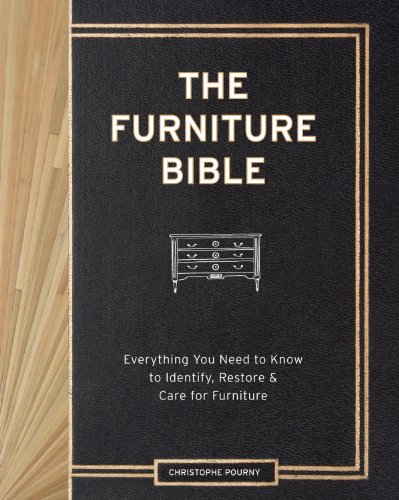
2. The Furniture Bible: Furniture Restoration & Care Book
Best for: Furniture owners learning restoration
The Furniture Bible is a practical reference for people who want to understand older or secondhand furniture before buying, repairing, or refinishing it. Its focus covers three useful stages: identifying what a piece is, restoring damaged areas, and caring for finished furniture over time. At $18.71, it costs less than many repair consultations, making it a reasonable starting point for home projects.
The strongest feature is its broad coverage. A reader can use one book to research a piece’s style, think through repair options, and learn better maintenance habits. That range helps when a chair, table, or cabinet needs more than simple cleaning. Still, the available product details do not list the page count, photographs, binding, edition, or specific techniques included. Buyers should check the listing before ordering if those details matter. This is a guide for informed decisions, not a guarantee that every repair will be simple or safe.
Pros
- Covers furniture identification, restoration, and care in one reference.
- Helps owners assess a piece before applying finishes or making repairs.
- The $18.71 price keeps basic furniture guidance affordable.
Cons
- The available listing provides no page count, format, edition, or material details.
- Broad coverage may not provide enough depth for complex structural repairs or valuable antiques.
1. Creative Homeowner Furniture Refinishing & Repair Book

Best for: DIYers restoring wooden furniture
The Ultimate Guide to Furniture Refinishing & Repair, 2nd Revised Edition is a practical reference for repairing, rebuilding, and renewing wooden furniture. It covers more than 500 step-by-step instructions, supported by photos and detailed drawings. At $24.99, it offers a broad collection of guidance in one book rather than separate resources for each project type.
The visual format is the main draw. Photos can help clarify surface damage, finish changes, and repair stages, while drawings may make construction details easier to follow. The revised edition also gives buyers a newer version of this reference, though the available information does not specify what changed from the earlier edition. Its focus stays on wooden furniture, so readers looking for upholstery, metal repair, or general home restoration advice may find the coverage narrow.
Pros
- More than 500 instructions provide guidance for many furniture repair and refinishing tasks.
- Step-by-step directions can make longer projects easier to break into manageable stages.
- Photos and detailed drawings offer visual help when written instructions are unclear.
Cons
- The book focuses on wooden furniture, with no stated coverage for upholstery, metal, or plastic pieces.
- No feature details are available for page count, project difficulty, tools, or materials, so buyers cannot judge its depth before purchase.
Buying Guide
The most important factor is project fit. A guide for stripping and refinishing wooden chairs will not help much with veneer repair, upholstery, or antique conservation.
- Project scope: Choose a book that matches your work, such as surface refinishing, veneer repair, caning, or upholstery. A 200-page general guide suits mixed projects, while a 100-page specialist title may offer deeper instructions.
- Skill level: Beginners should look for step-by-step chapters, tool lists, and safety notes. Books with at least 20 illustrated projects provide useful practice before complex repairs.
- Visual instruction: Prioritize editions with 100 or more color photos, labeled diagrams, and close-ups of joints or damaged surfaces. Photos matter when identifying veneer bubbles, finish cracks, and woodworm holes.
- Material coverage: Check the contents for your furniture type. Solid wood, plywood, veneer, laminate, and antique finishes require different methods, solvents, and adhesives.
- Edition and cost: A recent edition priced between $15 and $35 usually offers accessible guidance. Confirm that product names, safety advice, and finish formulas are not outdated, especially in books over 15 years old.
If you cannot have everything, prioritize a guide that matches your exact project and skill level.
Frequently Asked Questions
How do I choose a furniture restoration guide?
Choose a furniture restoration guide that matches your project, skill level, and available tools. Look for clear photos, material lists, repair sequences, and safety advice. A book with separate chapters on veneer, solid wood, paint, and upholstery helps you avoid using one method for every piece. Prioritize guides with projects under ten steps.
What should a good wood furniture repair book include?
A good wood furniture repair book should cover cleaning, structural fixes, veneer, stain, and protective finishes. It should also explain when to preserve original surfaces instead of stripping them. Look for project photos and tool guidance, such as instructions for repairing loose joints with clamps, glue, and a 24-hour curing period.
Can furniture restoration books help me repair damaged veneer?
Yes, specialized furniture restoration books can guide you through damaged veneer repairs, but they cannot replace careful practice on scrap wood. Choose one with diagrams for lifting, trimming, gluing, and coloring patches. A useful chapter may compare small bubbles, missing sections, and edge damage, each requiring a different repair.
Are illustrated furniture restoration guides worth buying?
Yes, illustrated furniture restoration guides are worth buying when you need to identify construction details or follow unfamiliar repairs. Photos can show grain direction, joinery, finish changes, and tool placement more clearly than text alone. Pick an edition with color images and at least 10 to 15 complete projects, rather than a short guide focused only on cleaning or painting.
Conclusion
Creative Homeowner Furniture Refinishing & Repair Book remains the strongest pick for readers who want one practical reference for common furniture fixes and refinishing tasks. If your priority is antique restoration, choose an antique-focused guide instead, since its advice should better match older veneers, finishes, and joinery. Before buying, double-check the book’s size, compatibility with your furniture and skill level, quantity if a bundle is shown, and the current price. Look for clear project steps, material lists, finish guidance, and repair methods that fit the work waiting in your home. A focused manual can prevent costly mistakes, but no book replaces careful surface checks before sanding, stripping, or applying new finish.
