
5 Best Glue for Door Panels for Fast Repairs
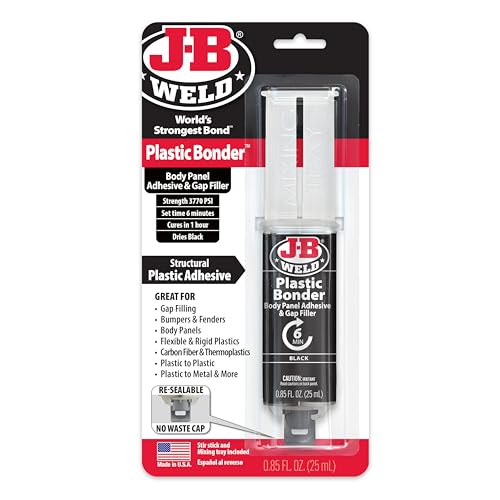
J-B Weld 50139 Plastic Bonder Adhesive is the top pick for most buyers and the best glue for door panels because its two-part formula is made to bond common automotive plastics and trim materials. It works well for repairs that need more strength than ordinary household glue can provide. The adhesive comes as a paired resin and hardener, so careful mixing matters.
This guide is for drivers repairing loose, cracked, or separated interior door-panel pieces. The key factors are material compatibility, working time, and package capacity, since some repairs need several ounces of adhesive. Surface preparation also affects the final bond, especially on textured or dirty plastic. The five picks below are ranked with clear reasons and honest drawbacks for each, so you can match the adhesive to your panel and repair size.
Quick Comparison
| # | Product | Best For | Price | |
|---|---|---|---|---|
| 1 | J-B Weld 50139 Plastic Bonder Adhesive | Plastic Part Repairers | $7.97 | View → |
| 2 | Headliner Repair Glue, Car Interior Adhesive | Sagging Car Roof Liners | $15.99 | View → |
| 3 | Polymix Metal Panel Bond 60 Adhesive | Metal Body Panel Repairs | $35.97 | View → |
| 4 | Polymix Panel Bond 20 Adhesive | Quick Panel Bonding Jobs | $35.97 | View → |
| 5 | Headliner Car Interior Repair Glue | DIY Interior Fabric Repairs | $15.99 | View → |
5 Top Adhesives for Door Panels
This ranked list counts down from practical options to the top adhesive for securing door panels.
5. Headliner Car Interior Repair Glue

Best for: DIY owners fixing loose headliners
This 120 ml tube is made for repairing car interior materials, including plastic, leather, rubber, and fabric. It can bond torn headliners, loose trim, and small gaps. The controlled tube format should make it easier to apply a narrow bead without opening a larger container. At $15.99, it fits occasional repair jobs rather than full interior restoration.
The adhesive reaches an initial cure in 5 to 10 hours at room temperature, while full curing can take 12 to 24 hours. Plan to leave the repaired area undisturbed overnight. The formula is rated for temperatures from -40°F to 248°F, which covers freezing weather and hot vehicle interiors. It is also advertised as waterproof against rain, snow, car washes, and humidity. The listed VOC-free, non-toxic formula may suit homes with children or pets, though good ventilation remains sensible during any adhesive project.
Pros
- Bonds plastic, leather, rubber, and fabric for several interior repair tasks.
- Handles temperatures from -40°F to 248°F after curing.
- Waterproof design helps protect repairs from moisture and car washes.
Cons
- Full curing can take up to 24 hours, so the vehicle may need to remain unused during that period.
- A 120 ml tube may not provide enough adhesive for widespread headliner damage or multiple large repairs.
4. Polymix Panel Bond 20 Adhesive

Best for: Body shops repairing steel and aluminum panels
Polymix Panel Bond 20 is a two-part urethane adhesive for automotive body repairs. The 200ml cartridge is designed to bond steel and aluminum, making it suitable for quarter panels, roofs, box sides, van sides, utility vehicle sides, and door skins. At $35.97, it targets focused repair work rather than general household bonding.
Two application mixing nozzles come with the cartridge. That gives buyers a spare nozzle for a second application, though the adhesive still requires proper surface preparation and panel alignment. The product’s main advantage is its broad vehicle-panel use across two common metals. Its 200ml size may fit one repair job, but the amount needed depends on panel size, adhesive coverage, and the repair method.
Pros
- Bonds both steel and aluminum panels, supporting mixed automotive repair work.
- Includes two mixing nozzles, so one replacement nozzle is provided.
- Suits several body-panel repairs, including roofs, quarter panels, and door skins.
Cons
- A 200ml cartridge may not provide enough adhesive for multiple large panels.
- Buyers may need a compatible dispensing gun, since the cartridge and nozzles do not replace the application tool.
3. Polymix Metal Panel Bond 60 Adhesive

Best for: DIY automotive panel replacement projects
Polymix Metal Panel Bond 60 is a two-part urethane adhesive for joining steel and aluminum automotive panels. The kit includes one 200ml cartridge and two application mixing nozzles. Its listed uses include quarter panels, roofs, box sides, van sides, utility vehicle sides, and door skins. It suits repair work where a bonded joint makes more sense than welding.
The main appeal is the reduced preparation around the repair. Bonding can avoid removing internal panels and rubber gaskets, reshaping metal warped by welding heat, or grinding weld spots. It also avoids disconnecting the vehicle’s electronic system during the repair. The adhesive is described as self-sealing, so the bonded area does not need a separate sealer or rust-protection primer. Those benefits can cut down on repair steps, but the 200ml cartridge limits coverage for larger jobs. Panel fit and alignment still need careful attention before the adhesive cures.
Pros
- Bonds steel and aluminum without welding heat.
- Can reduce disassembly, grinding, and panel reshaping.
- Self-sealing adhesive removes the need for separate sealer.
Cons
- A 200ml cartridge may not cover several large panels.
- Two-part adhesive application requires careful mixing and panel alignment.
2. Headliner Repair Glue, Car Interior Adhesive

Best for: Small car interior fabric repairs
This 120ml tube is made for repairing loose headliners, torn trim, gaps, and other interior damage. The adhesive is listed for plastic, leather, rubber, fabric, and similar surfaces. At $15.99, it offers a practical option for small DIY fixes instead of replacing an entire panel or roof liner.
The glue begins curing in 5 to 10 hours at room temperature, then reaches full cure in 12 to 24 hours. It is rated for temperatures from -40°F to 248°F, so seasonal heat and cold should not quickly break down the bond. The formula is also described as waterproof and VOC-free, with resistance to rain, snow, humidity, and car washes. The narrow tube should make small applications easier to control, but 120ml may not cover several large repairs.
Pros
- Bonds with plastic, leather, rubber, and fabric for varied interior repairs.
- Handles a broad -40°F to 248°F temperature range.
- Waterproof, VOC-free formula suits damp conditions and enclosed cabins.
Cons
- Full curing can take up to 24 hours, so repaired areas need downtime.
- A 120ml tube may run short on large headliner panels or multiple repairs.
1. J-B Weld 50139 Plastic Bonder Adhesive
Best for: Black plastic body-panel repairs
J-B Weld Plastic Bonder is a 25 ml, two-part urethane adhesive in a syringe. It is designed for repairs involving thermoplastics, thermoset plastics, carbon fiber composites, coated metals, PVC, and concrete. The black formula also works as a gap filler, so it can help bridge small voids instead of bonding only tight-fitting surfaces. At $7.97, it offers a low-cost option for targeted repairs rather than large restoration projects.
The 1:1 mixing ratio keeps preparation straightforward. After application, the adhesive sets in about 15 minutes and can be sanded after 30 minutes. Once fully cured, it forms a hard bond with a listed tensile strength of 3,770 psi. That combination suits indoor and outdoor jobs, including body panels and other rigid plastic parts. Still, the syringe contains only 25 ml, so larger repairs may require multiple packages. The black finish can also show through paint or look mismatched on light-colored surfaces.
Pros
- Bonds several materials, including plastics, carbon fiber composites, coated metals, PVC, and concrete.
- Sets in 15 minutes and becomes sandable after 30 minutes.
- Black adhesive fills gaps while creating a hard, permanent bond.
Cons
- The 25 ml syringe provides limited material for large panels or repeated repairs.
- Black cured adhesive may need sanding and paint for a clean match on lighter surfaces.
Buying Guide
Material compatibility matters most when choosing adhesive for door trim. The formula must bond to both surfaces, such as ABS plastic, vinyl, foam, fabric, or wood, without turning brittle as the panel flexes.
- Substrate compatibility: Choose a label that names both materials you are joining. Automotive trim products should list plastics such as ABS, PVC, or polypropylene.
- Flexibility after curing: Select a flexible contact adhesive or trim adhesive, not rigid super glue. Flexible formulas handle vibration and temperature changes with less cracking.
- Temperature and moisture rating: Look for protection from at least 180°F and resistance to occasional water exposure. Interior vehicles can become very hot in direct sun.
- Working and cure time: A 5-to-15-minute open time gives you room to position the panel. Allow at least 24 hours before heavy use, even if the surface feels dry sooner.
- Surface preparation and package size: Clean with isopropyl alcohol, then lightly scuff smooth plastic with 180-to-220-grit paper. An 8-to-12-ounce aerosol can usually suits one large panel, while a 4-ounce tube handles small repairs.
If you cannot have everything, prioritize material compatibility and flexibility, since a strong bond that cracks will not last.
Frequently Asked Questions
How do I choose glue for door panels?
Choose an adhesive matched to the panel and door material, usually polyurethane or MS polymer for wood and MDF, and contact cement for laminate. Check the label for flexible bonding and the surfaces it accepts. Apply a continuous 1/4-inch bead, then clamp or brace the panel for the stated cure time.
What glue works best for loose car door panels?
Use a flexible automotive trim adhesive for loose car door panels, not rigid wood glue or ordinary hot glue. Aerosol headliner adhesive suits fabric-backed panels, while a polyurethane or MS-polymer adhesive fits heavier plastic parts. Clean both surfaces first, and allow at least 24 hours before stressing the repair.
Can construction adhesive hold interior door panels?
Yes, construction adhesive can hold interior door panels when the adhesive matches the substrates and remains slightly flexible after curing. Use a low-expansion polyurethane or MS-polymer formula on clean, dry wood or MDF. Support the panel with clamps or painter’s tape for 12 to 24 hours while the bond sets.
Are Liquid Nails good for attaching door trim panels?
Liquid Nails can attach some door trim panels, but only when the specific formula matches the materials and location. Pick a version rated for the panel material, painted surfaces, and flexible interior use. A 1/4-inch bead spaced every 6 to 8 inches usually gives support, but follow its label and cure time.
Conclusion
J-B Weld 50139 Plastic Bonder Adhesive is the top pick for DIYers repairing plastic door panels and needing a two-part bond that cures hard. If your priority is flexibility during vibration or temperature changes, choose a flexible automotive trim adhesive instead, since rigid formulas may crack when the panel moves. Before buying, double-check the package size, compatibility with your panel’s plastic, quantity, and current price, because kits and listings can differ. Clean the surfaces thoroughly, remove loose material, and follow mixing and curing times. An adhesive cannot compensate for oily plastic, poor contact, or a panel that needs fasteners. Pick the formula that matches the material and repair conditions.
