
5 Best Glue for Side Mirror Glass for DIY Repairs
Glass Glue Repair Adhesive is the best glue for side mirror glass for most buyers because it is made specifically for glass repairs, not broad household bonding. That focused use makes it a practical first choice when a mirror pane has separated from its backing or needs a small repair.
This guide is for drivers handling a loose, cracked, or replacement mirror pane at home. The key checks are whether the adhesive bonds both glass and the mirror’s backing material, and whether the cured joint can handle sun, rain, vibration, and temperature changes. Set time also matters, since the glass must stay positioned while the adhesive cures. The five picks below are ranked with clear reasons and honest drawbacks for each, so you can match the tube or bottle to the repair instead of guessing.
Quick Comparison
| # | Product | Best For | Price | |
|---|---|---|---|---|
| 1 | Glass Glue Repair Adhesive | Small Glass Repair Projects | $7.19 | View → |
| 2 | INSOIA Super Glass Glue | Fast Household Glass Fixes | $5.99 | View → |
| 3 | Glass Glue 100g | High-Volume Craft Repairs | $9.99 | View → |
| 4 | Glass Super Glue Gel | Drip-Free Vertical Glass Repairs | $11.99 | View → |
| 5 | Toyota 4Runner 1996-1999 Driver-Side Mirror Glass Replacement | 1996-1999 4Runner Mirror Replacement | $24.95 | View → |
5 Best Adhesives for Side Mirror Glass
These five options are ranked by bond strength, weather resistance, and ease of use, counting down to the top pick.
5. Toyota 4Runner 1996-1999 Driver-Side Mirror Glass Replacement
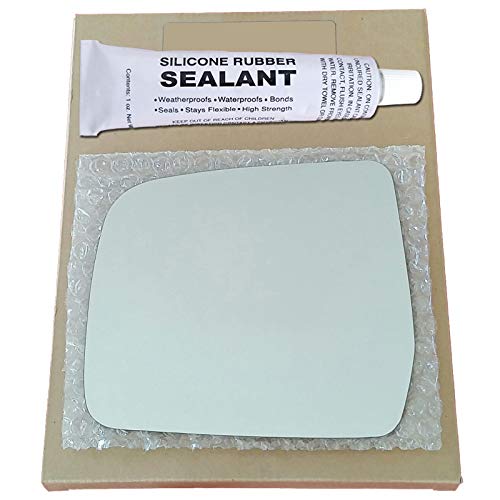
Best for: Budget 4Runner mirror repairs
At $24.95, this kit replaces the driver-side mirror glass on 1996 through 1999 Toyota 4Runner models. It includes one glass lens and a tube of automotive-grade silicone adhesive. The replacement measures 8 1/8 inches diagonally, using the longest corner-to-corner measurement. Installation instructions are included, so the repair does not require buying a complete mirror assembly.
The silicone adhesive offers a more secure alternative to adhesive strips and can support heat transfer when used with a heated mirror system. That said, this is glass only. No plastic backing plate comes with the kit, so the original backing or mounting setup must be usable. Check the shape and size of the existing mirror before ordering, since some 4Runner models can have different mirror options. For a cracked or missing lens, this kit can cost much less than replacing the entire assembly.
Pros
- Costs $24.95, less than many complete mirror assemblies.
- Includes automotive-grade silicone and step-by-step instructions.
- 8 1/8-inch glass lens is made for the driver side of 1996–1999 4Runners.
Cons
- No plastic backing plate is included, so this is not a complete mirror replacement.
- Fit depends on matching the existing mirror shape and diagonal measurement before purchase.
4. Glass Super Glue Gel

Best for: Vertical glass and mirror repairs
This 1.75-ounce, 50-gram glass adhesive uses a thick gel that stays put on upright surfaces. It can bond glass to glass, metal, or acrylic, making it suitable for mirror edges, glass shelves, display cases, and small crystal pieces. The $11.99 bottle holds much more than many 3- to 20-gram tubes, which may appeal to crafters and people with recurring repair work.
The glue dries clear and is designed to avoid yellowing, fogging, and visible residue. Its fine precision tip helps place small amounts on exposed surfaces, while the airtight cap helps slow drying between uses. The cured bond is listed as waterproof, shock-resistant, and heat-resistant up to 230°F (110°C). Those features fit handled décor and pieces exposed to moisture, but the temperature rating still rules out hotter applications.
Pros
- Thick gel stays on vertical glass instead of running.
- Clear finish suits visible mirror and display repairs.
- 50-gram bottle offers more adhesive for repeated projects.
Cons
- The 230°F heat limit makes it unsuitable for high-temperature repairs.
- A 50-gram bottle may be excessive for one small fix, especially if storage conditions allow the adhesive to dry out.
3. Glass Glue 100g

Best for: Small glass and acrylic repairs
This 100g clear adhesive is made for bonding glass to glass, mirrors, acrylic, jewelry, crafts, and plastic models. Its thin precision applicator tips should help place small amounts around cracks, edges, and tight repair areas. At $9.99, the bottle offers a practical supply for occasional household projects and detailed hobby work.
The formula is marketed as fast-setting, with a strong bond that keeps repaired surfaces looking clear instead of cloudy. It is also labeled for indoor and outdoor use, with resistance to moisture and temperature changes. That makes it useful for decorative glass, mirror pieces, and some outdoor repairs. Still, the product details do not list an exact setting time, full cure time, temperature range, or weight limits. Those missing numbers matter when a repair needs to support stress or regular handling. The adhesive is transparent, but surface preparation and careful application will still affect the final appearance.
Pros
- The 100g size provides enough adhesive for multiple small repairs.
- Clear glue helps preserve the appearance of glass, mirrors, and acrylic.
- Precision tips support controlled application in narrow cracks and small craft parts.
Cons
- No exact drying or curing time is provided, so repair planning may require guesswork.
- The listing does not give a temperature range or load rating for demanding repairs.
2. INSOIA Super Glass Glue

Best for: Small glass and ceramic repairs
INSOIA Super Glass Glue is a 20g bottle of clear cyanoacrylate adhesive for household repairs and crafts. It is designed for glass, acrylic, crystal, ceramics, metal, mirrors, jewelry, ornaments, and picture frames. Four precision tips help place small drops into hairline cracks or tight joints. The anti-clogging cap is intended to keep the nozzle usable between applications. It dries clear, so the repair should be less visible than with opaque household glue.
The main advantage is speed without mixing. A thin coat reportedly sets in 10 to 45 seconds, while full curing takes 12 to 24 hours. Once cured, the formula is described as waterproof and heat resistant, with a seal meant to handle humidity and temperature changes. At $5.99, it offers a low-cost option for occasional fixes. Still, the product is not suitable for PP or PE plastics, and careful surface preparation matters. Both pieces must be clean and dry. Users should also avoid applying too much glue.
Pros
- Four precision tips help control small drops in narrow cracks and joints.
- Clear glue suits mirrors, glassware, crystal, and decorative pieces.
- Waterproof, heat-resistant curing can help repairs handle household moisture and temperature changes.
Cons
- The 20g bottle may run out quickly during larger repairs or repeated projects.
- It does not bond PP or PE plastics, limiting its use for some household items.
1. Glass Glue Repair Adhesive

Best for: Small glass and mirror repairs
This clear adhesive comes in a 30-gram bottle for bonding glass, acrylic, mirrors, crystal, and similar craft materials. The formula is designed for quick initial bonding, with a 45-second hold needed after application. Full bonding takes up to 24 hours, so it is better for planned repairs than objects needed immediately.
The package includes three droppers with narrow tips. They help place small amounts into tight cracks, edges, and other hard-to-reach spots. The cap is designed to reduce drying at the spout and allow repeated use. Once cured, the glue is rated for waterproof use, UV exposure, shock, and temperatures from -40°C to 100°C. At $7.19, the 30-gram size suits occasional household repairs, craft projects, and small workshop jobs. Still, results depend on clean, dry surfaces and careful alignment.
Pros
- Three fine-tip droppers support controlled application on small repair areas.
- The clear adhesive works across glass, acrylic, mirrors, crystal, and crafts.
- Cured glue is rated waterproof and usable from -40°C to 100°C.
Cons
- Full curing takes 24 hours, even though the initial hold takes only 45 seconds.
- Residue can clog the narrow dropper tips, so the instructions recommend vibrating the bottle and trimming tips when needed.
Buying Guide
Choose an automotive adhesive rated for both glass and the mirror’s backing material. Household super glue can turn brittle, haze the glass, or damage plastic after exposure to heat, cold, and road vibration.
- Material compatibility: Look for labels that specifically name glass plus ABS, acrylic, polycarbonate, or metal. Avoid products that only list household crafts or wood.
- Temperature and weather resistance: Choose a waterproof formula rated for at least -40°F to 180°F. A wider range helps in hot sun and freezing weather.
- Flexibility after curing: Select a flexible polyurethane or automotive mounting adhesive. Rigid glue may crack when the mirror housing vibrates or flexes.
- Cure time: Favor products with 5 to 15 minutes of initial grab and a full cure within 24 hours. Keep the vehicle parked until the stated cure period ends.
- Application and surface prep: A 0.1- to 0.3-ounce tube usually covers one mirror. Choose a nozzle that makes a thin bead, then clean both surfaces with isopropyl alcohol and remove loose old adhesive.
If you cannot have every feature, prioritize verified compatibility with the glass and backing plate, since the wrong formula can fail quickly or damage the mirror.
Frequently Asked Questions
How do I choose glue for side mirror glass?
Choose an automotive mirror adhesive rated for glass, plastic, outdoor weather, and vibration. A flexible polyurethane or silicone-based formula usually fits this job better than brittle super glue. Look for a temperature range near -40°F to 180°F, and confirm that it bonds to the mirror’s plastic backing.
What glue is safe for replacement side mirror glass?
Use a purpose-made automotive mirror adhesive for replacement glass, not general craft glue. These formulas tolerate road vibration, rain, and temperature changes better than ordinary household products. Apply it to clean, dry surfaces, keep it away from defroster contacts, and allow the label’s full cure time, often 24 hours, before driving.
Can I use super glue to attach a car mirror?
You should not use household super glue to mount side mirror glass. Cyanoacrylate can turn hazy near the edges, become brittle in heat and cold, and release fumes that mark nearby plastic. For a small repair, choose an automotive-grade adhesive labeled for glass and the backing plate, then let it cure for at least 24 hours.
Are adhesive pads good for attaching side mirror glass?
Adhesive pads can hold side mirror glass if the replacement has a smooth backing plate and the pad is rated for automotive exterior use. They suit smooth surfaces, but not cracked housings or loose mounts. Use full coverage, press for 30 to 60 seconds, and follow the package cure time before driving.
Conclusion
Glass Glue Repair Adhesive remains the top pick for drivers who want a focused, affordable fix for a loose or cracked side mirror insert. If your priority is maximum hold in a harsher environment, choose a weather-resistant automotive adhesive designed for glass and plastic instead. Before buying, double-check the tube or bottle size, compatibility with your mirror backing and housing, available quantity, and current price. Surface preparation still matters, so remove old residue and let the bond cure for the full time listed by the maker. A small, precise applicator can also reduce mess around the mirror edge. Pick the formula that matches the repair, then follow its directions carefully for a safer, cleaner result.
